Our Partners


The Inclusive Mainstream Schools Fund
The Inclusive Mainstream Fund (IMF) is a Department for Education grant available to eligible mainstream schools in England for the 2026-2027 financial year.
It's designed to help schools and academies remove barriers to learning and participation, improve their accessibility and ensure inclusive practice across the whole school. This funding should be used alongside core budget allocations to strengthen inclusion.
According to the DfE, the inclusive mainstream fund will fund the following mainstream school providers (for the 5-16 year old range in England):
- Primary, secondary, middle and all-through maintained schools
- Primary, secondary, middle and all-through academies and free schools
- City technology colleges
Explore what the Inclusive Mainstream Funding can be used for in our blog.
School-based Nursery Capital Grant (2027-2030)
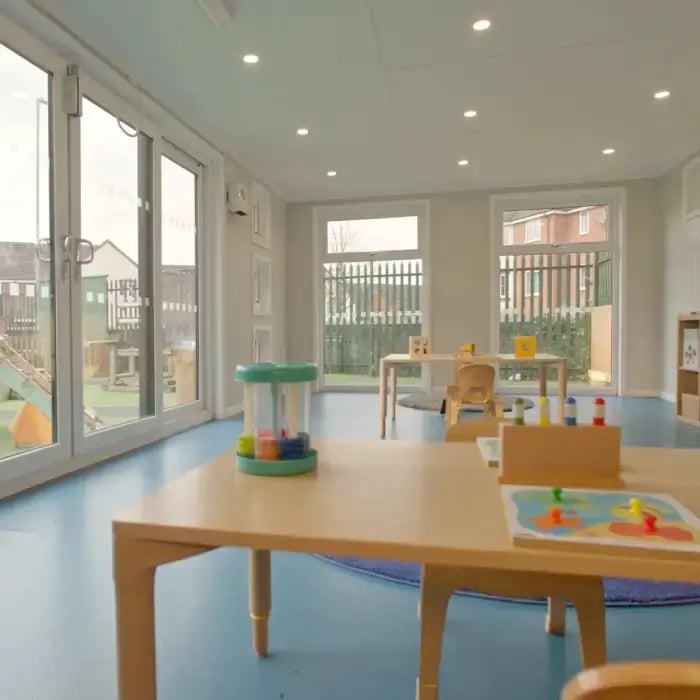
The School-based Nursery Capital Grant is a Department for Education funding programme designed to increase access to high-quality early years provision across England. Between 2027 and 2030, almost £325 million has been committed to support the creation and expansion of school-based nurseries, particularly in areas with high demand and disadvantage.
Unlike previous funding rounds, Phase 3 applications are submitted by local authorities, not individual schools. If your primary school is considering opening a new nursery or expanding its existing provision, it's important to speak with your local authority as early as possible so your project can be considered as part of its funding proposal. Applications from local authorities close on 30 September 2026.
Funding to Buy Books for School Libraries (England)

UK schools and early years’ settings can apply for grants of between £1,000 and £5,000 to buy books for their libraries and encourage more children to read for pleasure.
The LoveReading4Kids Funding for Schools Scheme will help schools to provide children with a range of non-curriculum books to improve their reading standards, particularly amongst children experiencing disadvantage or underrepresentation.
Areas for Consideration will include:
- Schools with income deprivation or cultural deprivation
- FSM
- IDACI
- Literacy levels
- Schools looking to improve standards
Please note that any grant awarded will be awarded as credit to be spent on www.lovereading.co.uk or www.lovereading4kids.co.uk and should be spent within six months of being awarded. Applications can be submitted at any time, with decisions taking up to three months. PTAs are not eligible to apply, the application needs to come directly from the school.
Funding for Projects that Address Severe Learning Disabilities (UK)

UK Schools, PTAs and charities can apply for grants to help children and adults with severe learning difficulties, including autism. The funding is being made available through the Baily Thomas General grants programme and can be used to purchase equipment, support capital works, and cover project and core costs. Previous grants have been used to support:
- capital building/renovation/refurbishment works for residential, nursing and respite care, and schools
- employment schemes including woodwork, crafts, printing and horticulture
- play schemes and play therapy schemes
- day and social activities centres including building costs and running costs
- support for families, including respite schemes
- independent living schemes
- support in the community schemes
- Snoezelen rooms
Grants to Support Outdoor Learning for Secondary School Children (UK)

Grants of £1,000 are available to UK state-funded secondary schools and special schools that work with secondary-age children to support outdoor learning opportunities for their pupils. The funding is being made available through the Ernest Cook Trust’s Outdoor Essentials Grant scheme, which will support the following:
• School grounds improvements, and to purchase outdoor learning resources that engage young people with the environment such as bug hotels, bird boxes and mini-beast investigation kits
• Transport costs to outdoor learning venues - including outdoor learning centres, forest schools, countryside parks, woodlands, national parks, farm parks, farms, coastal areas and beaches
• Outdoor clothing.
This current round of the Outdoor Essentials Grant is only available to Secondary Schools and Special Schools who work with Secondary age children located within the following prefixes:
• Cumbria/Lancashire: BB, CA, FY, LA, PR
Glos/Wilts/Avon: GL, SN, BS, BA20, BA21, BA22
Leicestershire: LE
Funding for Projects that Teach Children about the Countryside (England and Wales)
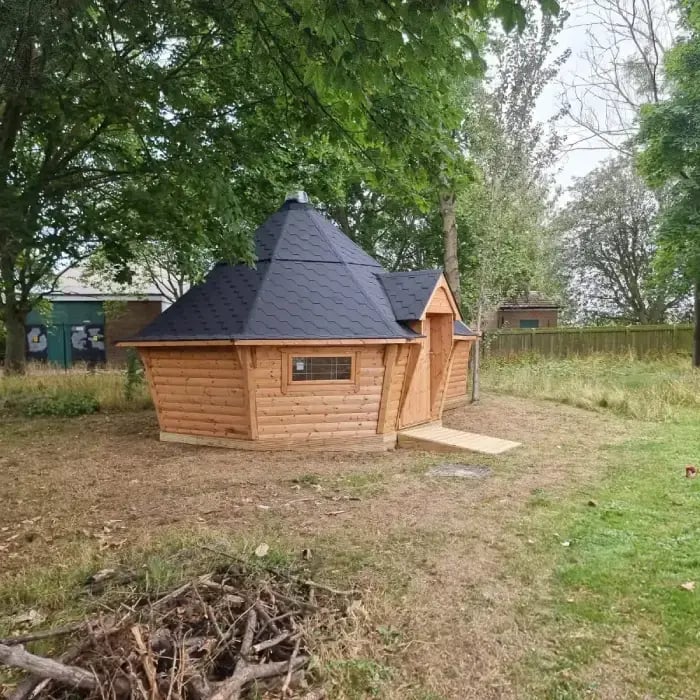
Charities, not-for-profit organisations and schools exclusively for children with additional needs in England and Wales can apply for grants of up to £5,000 for projects that help disabled or disadvantaged children connect with nature and the countryside. The funding, which is made available through the CLA Charitable Trust, supports projects that improve the physical and mental health and wellbeing of people who are disabled or disadvantaged by helping them to visit and participate in recreational and educational opportunities in the countryside. Applications are particularly welcomed for projects for children and young people, disadvantaged financially, physically, mentally, or from areas of deprivation. Projects supported in the past include funding for outdoor classrooms, forest school provisions, horticulture areas within school grounds. Applications can be submitted at any time.
Funding Available for Educational and Environmental Initiatives in the National Forest (Leicestershire, Derbyshire and Staffordshire)
Grants of between £500 and £10,000 are available to support projects that inspire creativity, enhance community engagement, and promote sustainable business practices within the National Forest. The funding which is being made available through the National Forest Company’s Small Grants programme. Eligible projects include outdoor educational programs, creative community initiatives, volunteer-driven woodland management, health and wellbeing activities related to the forest, and efforts to improve accessibility to green spaces. Small enterprises with 50 or fewer employees, especially those focusing on innovation and reducing carbon footprints, are encouraged to apply. Applications can be submitted at any time.
SEN Inclusion Funding (SENIF)
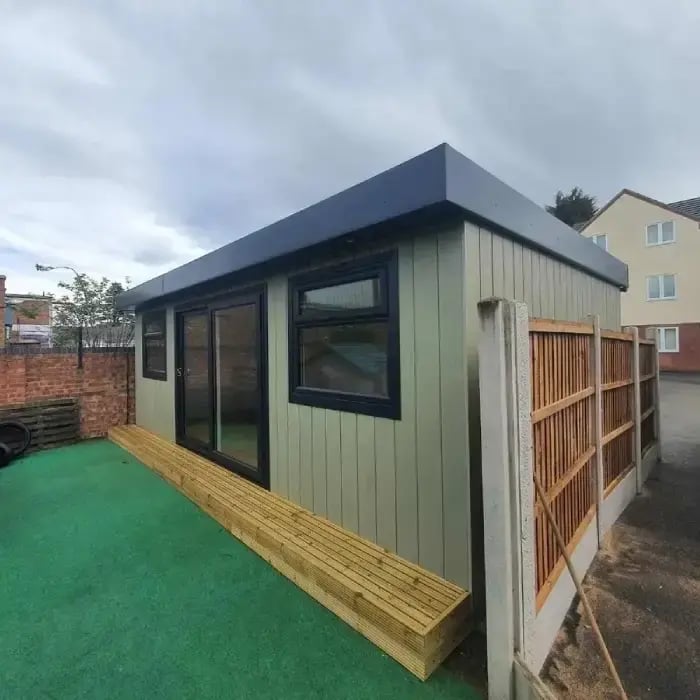
Every local authority must have a SEN inclusion fund (SENIF) to support early years providers in meeting the needs of individual children with SEN. Special Education Needs Inclusion Funding can be requested by private, voluntary and independent (PVI) pre-school settings, maintained nursery settings, registered childminders and registered out of school providers (where the Free Early Education Entitlement (FEEE) is accessed).
All SENIF requests should be completed via your Local Authority's SENIF request form.
Funding for Projects that Promote a Better Understanding of the Environment and Countryside (UK)
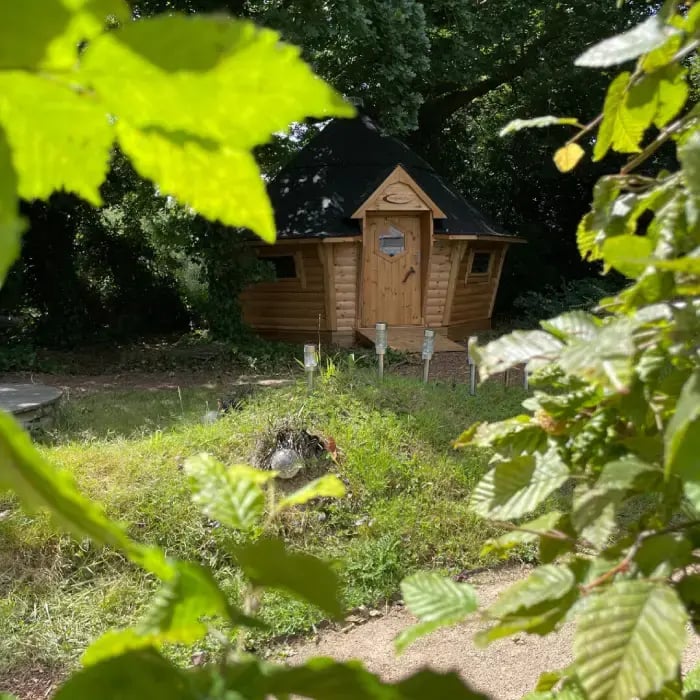
UK based schools and not for profit organisations can apply for funding to the Nineveh Charitable Trust for a broad range of projects and activities that promote a better understanding of the environment and countryside, whilst facilitating improved access, education and research.
Whilst the Trust does not specify a minimum or maximum grant amount that can be applied for, an analysis of previous grants would suggest a maximum of £5,000 per year for up to three years.
Government Grants for Schools

Government funding programmes can provide valuable support for schools looking to improve or expand their facilities. While eligibility and funding rounds vary, there are several schemes that schools should be aware of when planning a new building project. Some of the most significant current funding opportunities include:
Inclusive Mainstream Fund – Supporting schools to strengthen inclusive provision through improvements such as SEND spaces, nurture rooms, sensory rooms, inclusion hubs and accessible learning environments.
School-based Nursery Capital Grant – Helping eligible schools create new nursery places or expand existing early years provision.
Public Sector Decarbonisation Scheme (PSDS) – Funding projects that improve the energy efficiency of public buildings, including measures such as heat pumps, insulation and low-carbon heating.
Salix Finance – Supporting schools with energy-saving improvements that reduce carbon emissions and lower long-term running costs.
Government funding opportunities change regularly, so it's important to check the latest eligibility criteria and application windows. If you're considering a new school building, we're always happy to discuss how your project may align with current funding programmes.
Fundraising Campaigns

Crowdfunding: Utilise online platforms like GoFundMe or JustGiving to reach a wider audience. Share the story of your school’s vision for expansion and ask for donations from alumni, parents, and the broader community.
Alumni Support: Reach out to former students and their families who may be willing to contribute to the school’s growth.
Partnerships and Sponsorships
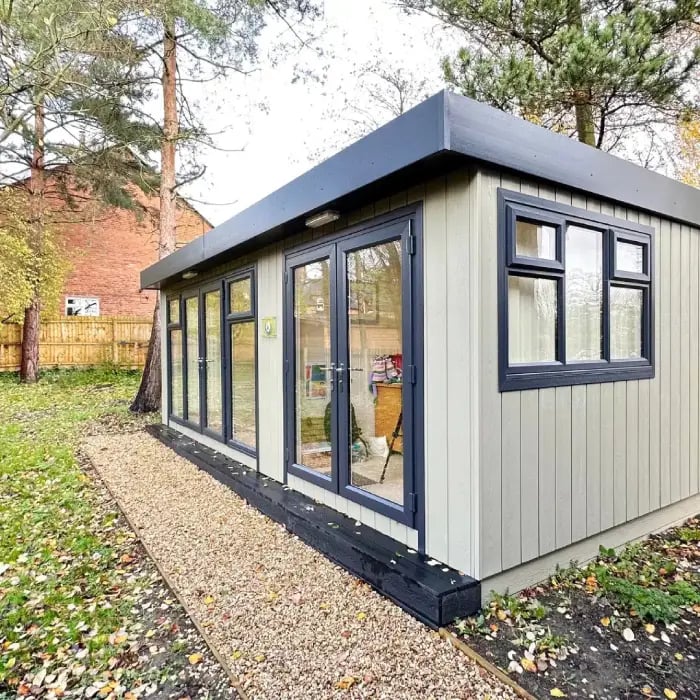
Partnering with local businesses or larger corporations can be a highly effective way to secure funding for your expansion project. Here’s how:
Corporate Sponsorships: Businesses might be willing to sponsor parts of your project, especially if they gain positive publicity or fulfill corporate social responsibility (CSR) goals. In exchange, you can offer to display their logos on your school’s website, newsletters, or at school events.
Local Business Partnerships: Establish relationships with businesses that have ties to education or the local community. They may be willing to donate materials, funds, or services, which can help reduce your costs.
Non-Profit and Charity Support: Some educational foundations and charities offer funding for specific projects like outdoor classrooms or facilities that promote inclusive learning.
Building strategic partnerships can provide long-term benefits beyond just funding, including mentorship opportunities and community engagement.
Capital Investment Funding
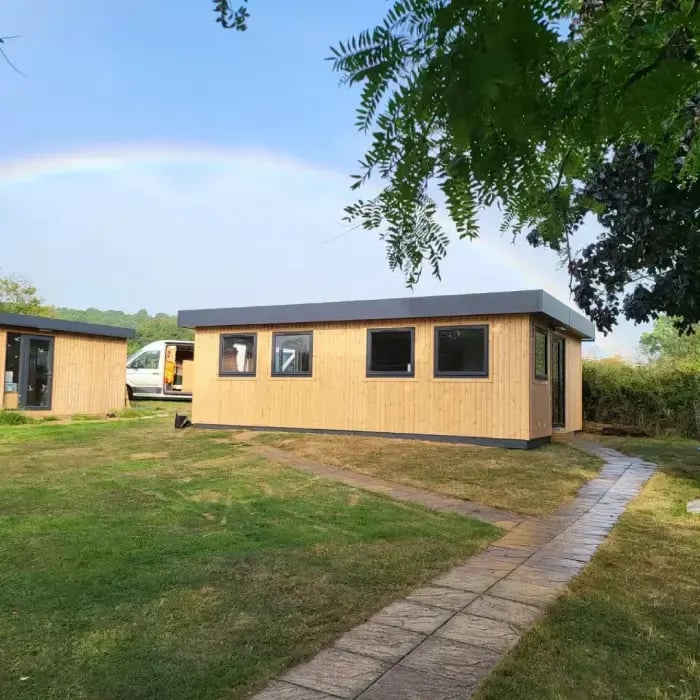
Many successful school building projects are funded through capital investment rather than grants alone. Depending on your school's status and the nature of your project, there are several capital funding routes worth exploring.
Condition Improvement Fund (CIF)
The Condition Improvement Fund (CIF) provides funding for eligible academies, sixth-form colleges and some voluntary-aided schools to improve the condition of their buildings. While the scheme primarily focuses on health and safety, compliance and building condition projects, it may support wider improvements where appropriate.
School Condition Allocations (SCA)
Multi-academy trusts responsible for five or more schools receive School Condition Allocations (SCA) directly from the Department for Education. These allocations can be used to maintain and improve school buildings across their estate, allowing trusts to prioritise projects based on local need.
Local Authority Capital Funding
Maintained schools typically access capital funding through their local authority rather than applying to national schemes directly. Funding priorities vary between authorities, so it's worth discussing future building requirements with your local education or capital projects team as early as possible.
Section 106 and Community Infrastructure Levy (CIL)
Where significant housing developments are taking place locally, schools may benefit from developer contributions through Section 106 agreements or the Community Infrastructure Levy (CIL). These funds are designed to help provide the infrastructure needed to support growing communities and, in some cases, can contribute towards additional school places or new education facilities.
PTA Support
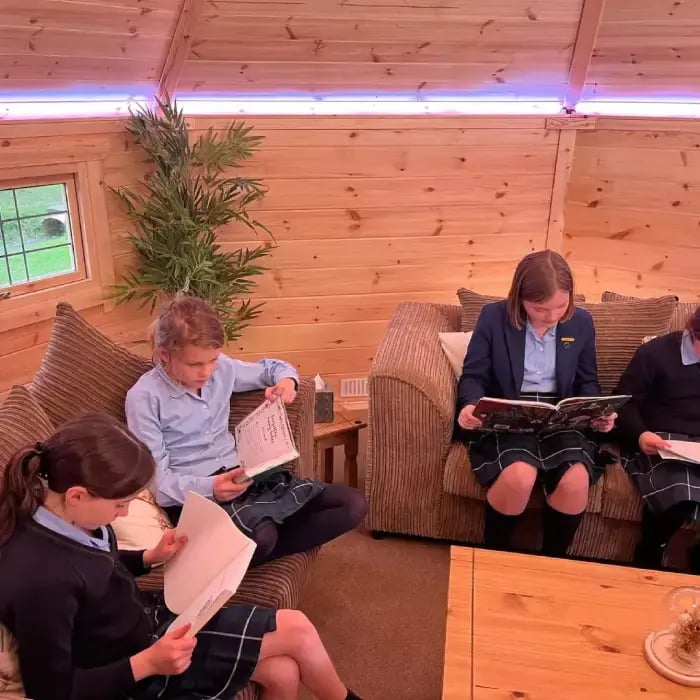
Your Parent-Teacher Association (PTA) is a valuable resource for funding and organising community support. The PTA can
Help organise events such as bake sales, car boot sales, or school discos, which can raise money for the expansion.
Apply for local small-grant programs to cover minor costs, such as outdoor seating or landscaping for new outdoor classrooms.
The PTA’s ability to rally the parent community means they can play a key role in reaching your funding goals.
The PTA at Farlington School had a huge part to play in the making of their Wellbeing Centre. Find out more
Local Authority Support
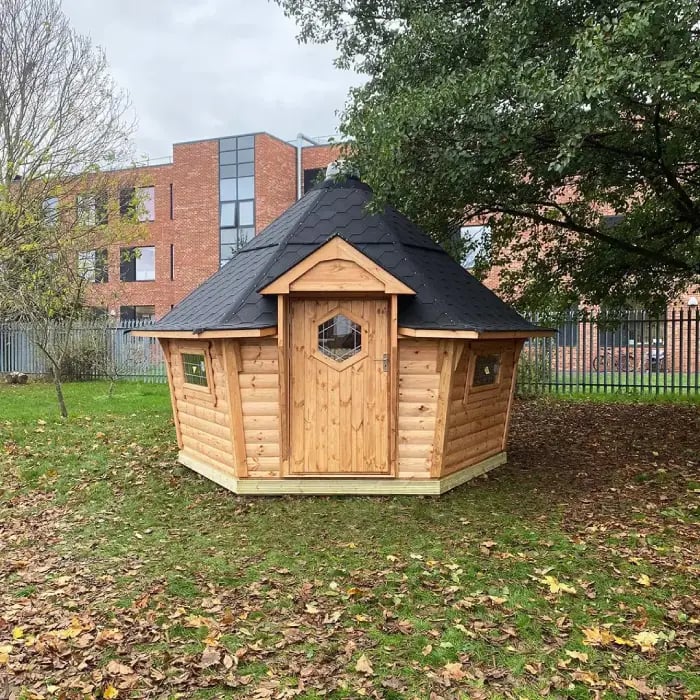
Depending on your location, your local authority may provide support for school expansion projects. Some local governments allocate funds to help schools accommodate growing student populations or improve learning environments. Reach out to your local authority to inquire about potential financial support.
Request a Pricing Guide